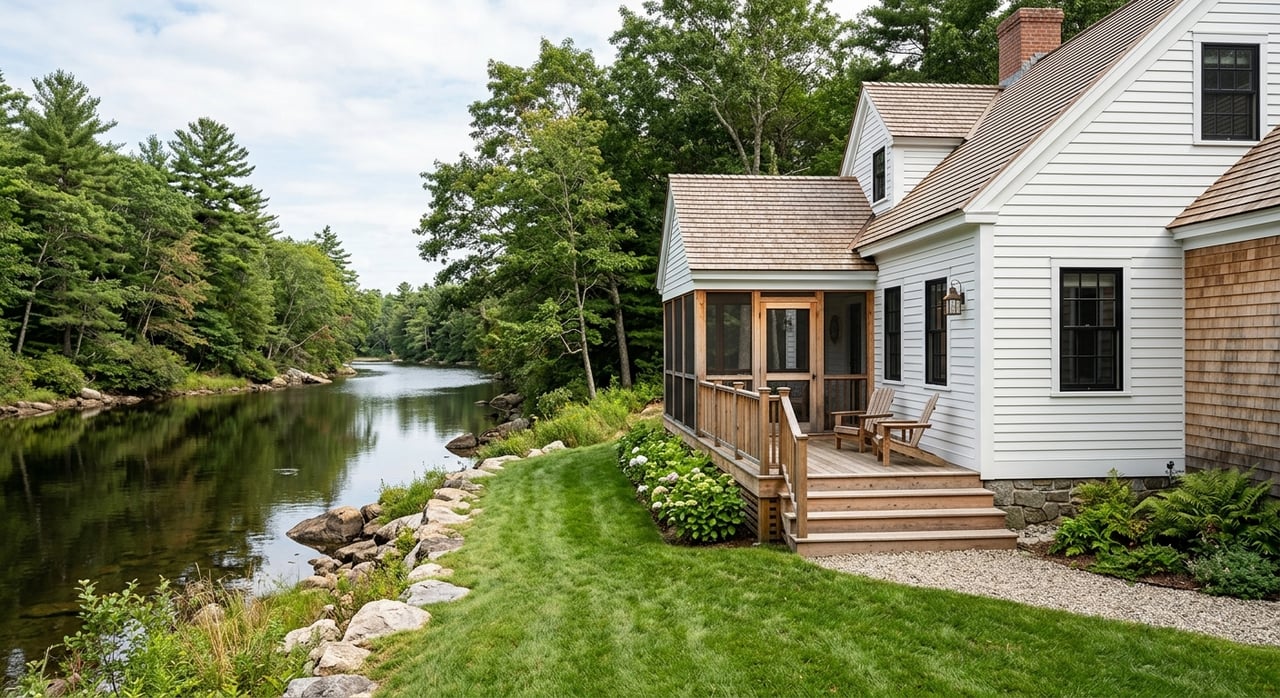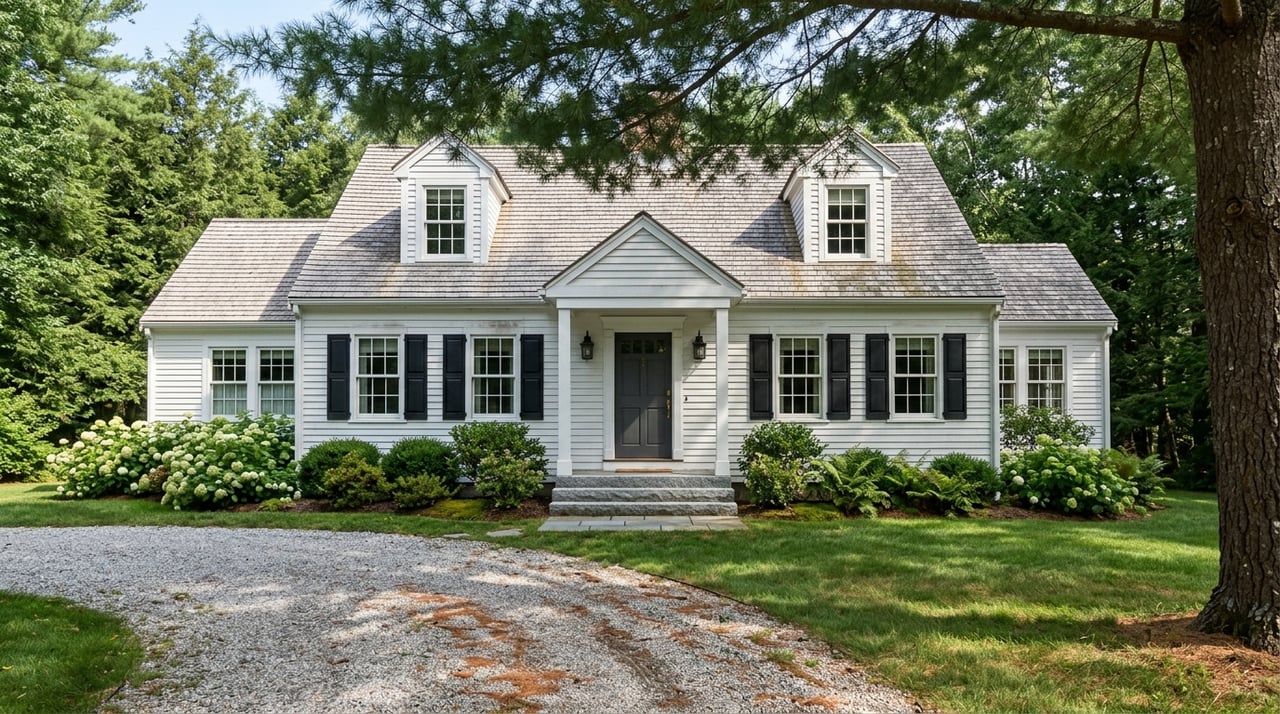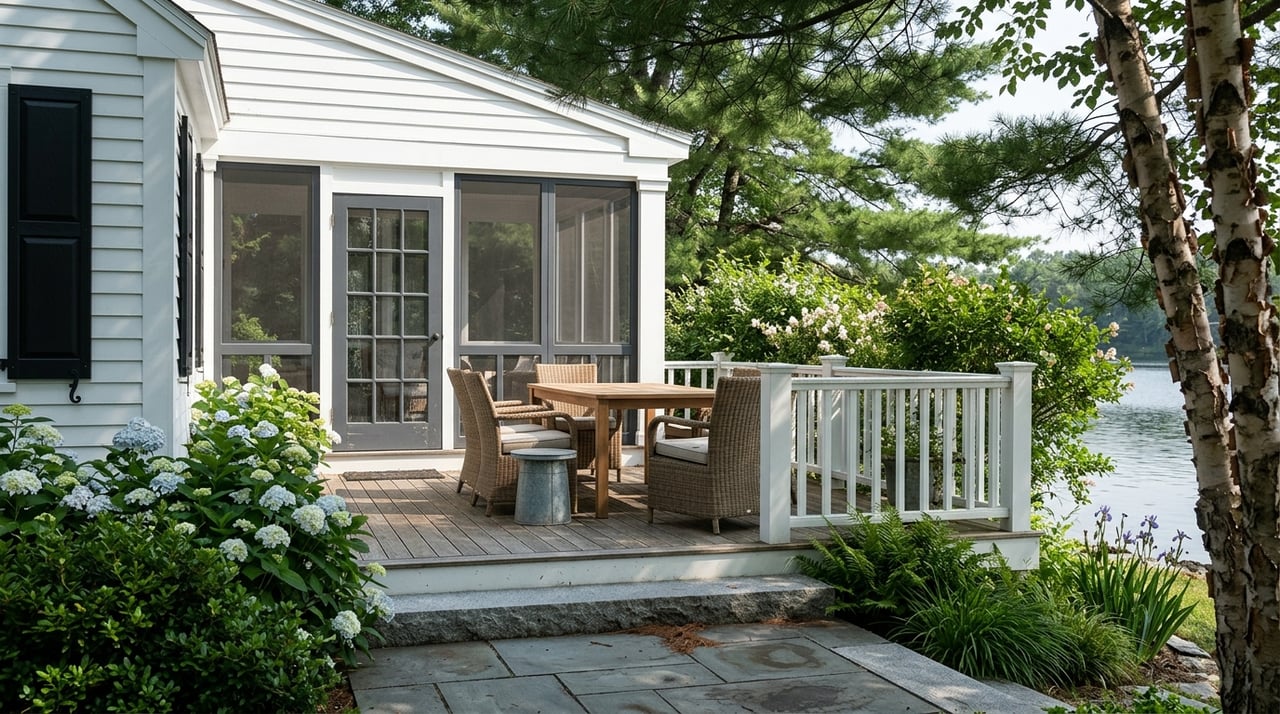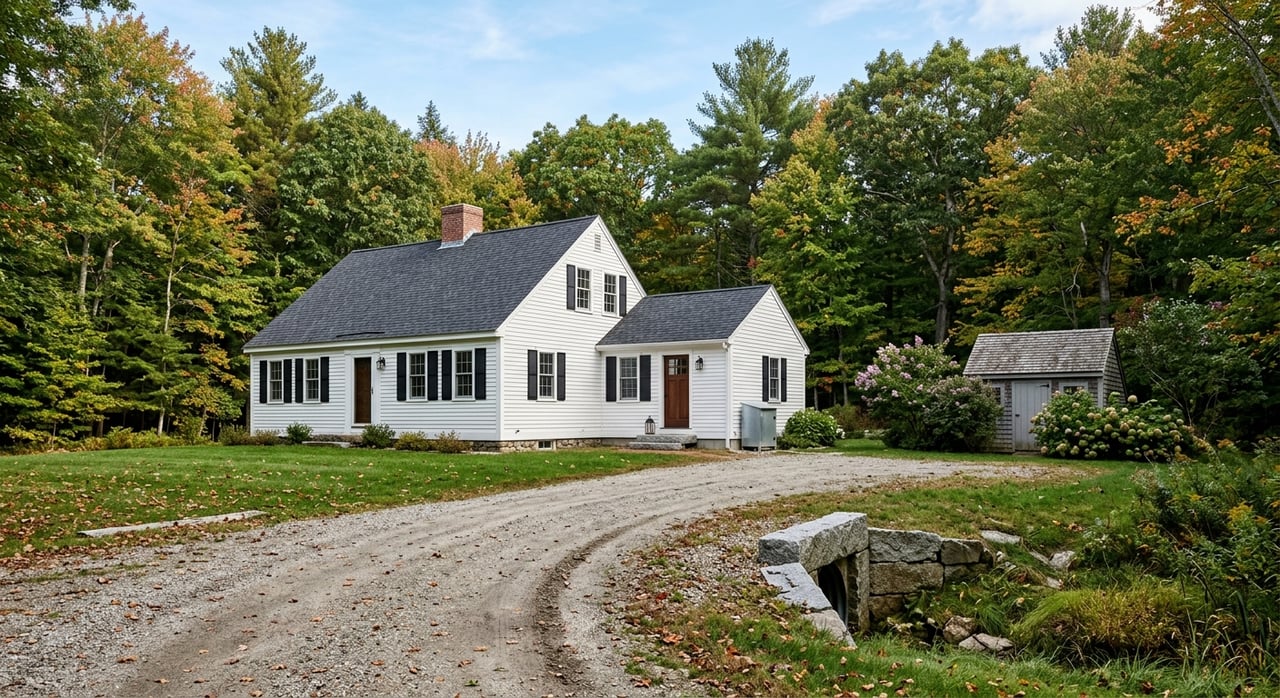
Dreaming about a few wooded acres, a garden, maybe a barn, and room to build the kind of life you want? In Hollis, that dream can be very real, but raw land and homestead properties come with a different set of questions than a typical house purchase. If you are thinking about buying land or a homestead in Hollis Center, this guide will help you understand zoning, access, utilities, lot size, and valuation so you can move forward with more confidence. Let’s dive in.
Why Hollis Appeals to Land Buyers
Hollis has a distinctly rural land pattern that stands out in York County. The town covers 32.6 square miles, and its comprehensive plan notes that about 80% of the land is tree-covered. That helps explain why buyers looking for acreage, privacy, or a small homestead often keep Hollis on their shortlist.
The land base also reflects long-term resource use. According to the town plan, 294 parcels and 8,561 acres were enrolled in current-use programs as of the 2022 valuation data cited in the plan. In practical terms, that means a meaningful share of Hollis land is managed as forest, farm, or open space rather than as standard house lots.
Start With Zoning First
If you are buying land for a future home, hobby farm, or small homestead setup, zoning should be one of your first checks. Hollis uses several zoning districts, including village, rural residential, conservation, floodplain, resource protection, and economic overlay districts. The zoning ordinance was last amended on June 10, 2025, and the official zoning map was adopted on June 13, 2023.
That matters because not every use is allowed in every district. The town’s use table specifically addresses farming, grazing, poultry and livestock raising, farm residence, home occupations, professional offices in the home or an accessory building, horticultural activities including sale of products, and harvesting wild crops and grasses. Some of these uses are allowed in certain districts, while others may require conditional-use review.
Know the Main District Differences
Hollis Center Village is described in the ordinance as the town’s most highly developed area, with better utility and all-weather-road service. If you want to be closer to the village pattern, that area may feel more straightforward from an access and infrastructure standpoint.
RR2 and RR3 are lower-density rural residential districts, which are often more relevant for acreage buyers. NHRCZ is intended to limit development around ponds, aquifer recharge areas, and habitat. If a parcel looks appealing because of water, woods, or open space, this district context becomes especially important.
Ask Use Questions Early
Before you get too attached to a parcel, ask direct questions such as:
- Can you build a primary residence on the lot?
- Are poultry or livestock uses allowed?
- Is a farm stand or product sales use permitted?
- Can an accessory building be used for a home occupation?
- Would any planned use require conditional approval?
These questions can save you time, money, and frustration. In a rural market like Hollis, the right parcel is not just about acreage. It is about whether the land legally supports the way you want to use it.
Raw Land Is a Site Problem
In Hollis, buying land is often less about finding a pretty lot and more about solving a site puzzle. The zoning ordinance sets minimum lot sizes that vary widely by district, and the town’s minimum frontage standards do too. That means two parcels with similar acreage can have very different building potential.
The ordinance sets minimum lot sizes of 40,000 square feet in some village contexts, 80,000 square feet in WBV and RR2, 120,000 square feet in RR3, 160,000 square feet in some NHV cases, and 200,000 square feet in NHRCZ. In acreage terms, those minimums are roughly 0.92 acre, 1.84 acres, 2.75 acres, 3.67 acres, and 4.59 acres.
Frontage Matters Too
Minimum frontage requirements range from 100 feet in some village settings to 400 feet in NHRCZ. A parcel may look large on paper but still present limitations if road frontage is narrow or irregular. Shape, topography, and access points all influence how usable the site really is.
Cluster subdivisions add another layer. In RR2C and RR3C, individual lot sizes can be reduced to 20,000 and 40,000 square feet, but at least 50% of the gross land area must remain open space. The ordinance also requires direct access or deeded rights-of-way to that open space.
Septic and Well Questions Are Essential
Hollis does not currently have a public drinking water supply, and residents use private wells. That single fact should shape how you evaluate any land purchase. You are not just buying acreage. You are buying the feasibility of water and wastewater systems.
The town’s comprehensive plan says most land suitable for septic systems is west of Route 117 and north of Route 202, with smaller suitable areas east of Route 117 near Hollis Center. That does not mean other areas are impossible, but it does mean site suitability can vary a lot from one parcel to the next.
What to Verify Before You Buy
The subdivision regulations require subsurface wastewater test-pit analyses by a licensed site evaluator. For private wells, the regulations require evidence of adequate groundwater supply and quality from a well driller or hydrogeologist.
Before closing on raw land, make sure you understand:
- Whether soils appear suitable for a septic system
- Whether test pits or prior site work exist
- Whether a private well is considered feasible
- Whether groundwater supply and quality have been documented
- Whether any wetlands, floodplain, or shoreland conditions affect siting
These checks are often more important than cosmetic features. A beautiful parcel only works if you can reasonably support the systems needed for everyday living.
Access Can Make or Break a Parcel
Legal and practical access is one of the biggest issues with land purchases. If the property sits on a private road or long shared driveway, do not assume the setup is simple just because people already use it. You want to confirm how access works on paper and how the road functions in real life.
Hollis subdivision regulations require private roads to be signed as private, provide adequate emergency-vehicle access, and include drainage and stormwater provisions. Dead-end streets must use a cul-de-sac or hammerhead turnaround. Those standards are a reminder that access is not just about getting to the lot. It is also about safety, serviceability, and municipal compliance.
Review These Access Items
If a parcel is not on a standard public road, review:
- Recorded easements or rights-of-way
- Road maintenance arrangements
- Shared-drive obligations
- Emergency access conditions
- Whether the road appears to meet local standards
This is one area where careful due diligence can protect both your budget and your future resale value.
Shoreland and Resource Limits Need Attention
Hollis includes ponds, rivers, wetlands, streams, floodplain areas, and aquifer-related concerns. The town plan notes that nearly half of Hollis sits atop significant aquifers. That is a major reason the town uses districts and protections that can affect where and how development happens.
If a parcel is near water or wetlands, the 2024 shoreland zoning map becomes especially relevant. The map shows buffers and resource-protection areas, but it also notes that boundary locations are approximate and that ground conditions control for permitting and enforcement. In plain terms, map review is a starting point, not the final answer.
Permits and Timing Matter
Most new construction, alteration, or replacement of structures in Hollis requires permits, and so do zoning or land-use changes. If your plan includes building a house, adding a barn, changing use, or expanding an existing setup, you should expect a permitting process.
The code enforcement office also states that effective June 1, 2026, paper permit applications are no longer accepted. That may sound like a small detail, but it is a useful reminder that local procedures matter and can change over time.
Current-Use Enrollment Can Affect Taxes
Acreage in Hollis may be enrolled in current-use programs, and that can change how you evaluate the property’s tax picture. Maine Revenue Services explains that Farmland, Open Space, Tree Growth, and Working Waterfront classifications value land based on current use rather than market value.
That can mean a parcel’s tax treatment does not align with what you might expect from its market price. It also means there may be consequences if the use changes after purchase.
Ask About These Tax Issues
If you are buying larger acreage, ask:
- Is the parcel enrolled in Tree Growth, Farmland, or Open Space?
- What portion of the land is enrolled?
- Would your intended use trigger withdrawal or disqualification?
- Could any penalty apply if the use changes?
This is an easy area to overlook, especially when buyers are focused on the land itself. A quick review up front can prevent an expensive surprise later.
Valuing Land in Hollis Takes More Than Price Per Acre
One of the biggest mistakes buyers make is assuming all acreage should be valued the same way. In reality, valuation depends on site size, shape, topography, utilities, street improvements, access, easements, zoning, and other site influences. In a town like Hollis, those factors can vary dramatically from parcel to parcel.
A wooded 5-acre parcel with workable soils, clear access, and favorable zoning may be far more functional than a larger parcel with limited frontage, wet areas, or development constraints. Rural and farm property guidance also points to access, flood maps, soil and topography maps, timber considerations, and water or well documentation as important valuation inputs.
That is why land buying here often benefits from a more disciplined review. The goal is not just to ask, “How many acres?” The better question is, “What can this land actually support, legally and physically?”
A Smart Buying Checklist for Hollis
If you are serious about buying land or a homestead in Hollis Center, keep your review focused on the basics that matter most:
- Confirm the zoning district
- Verify allowed and conditional uses
- Review minimum lot size and frontage requirements
- Check access, easements, and road maintenance terms
- Investigate septic feasibility
- Investigate private well feasibility
- Review floodplain, wetland, and shoreland constraints
- Ask about current-use enrollment and possible penalties
- Understand permit requirements for your intended improvements
- Evaluate the parcel based on utility and usability, not just acreage
Why Local Guidance Helps
Land and homestead purchases usually involve more moving parts than an in-town house purchase. You are often weighing zoning, site conditions, access, tax treatment, and valuation questions all at once. In Hollis, those details are not side issues. They are the deal.
Working with a local advisor who understands both brokerage and valuation can help you sort through those details before they become expensive mistakes. If you are exploring acreage, a future build site, or a homestead property in Hollis, The Moulton Group RE can help you evaluate the opportunity with practical, data-driven guidance.
FAQs
What should you check before buying raw land in Hollis Center?
- You should confirm zoning, allowed uses, frontage, legal access, septic feasibility, private well feasibility, and any wetland, shoreland, or floodplain constraints.
How large does a lot need to be for land in Hollis?
- It depends on the zoning district. Minimum lot sizes in the ordinance range from 40,000 square feet in some village contexts up to 200,000 square feet in NHRCZ.
Can you have a homestead or hobby farm on land in Hollis?
- Possibly, but it depends on the zoning district and the specific use. Farming, grazing, poultry and livestock raising, horticultural activities, and related uses are addressed in the town’s use table and are not allowed the same way in every district.
Does land in Hollis Center use public water and sewer?
- Hollis does not currently have a public drinking water supply, and residents use private wells. Septic feasibility also varies by parcel and should be reviewed carefully.
Why is access so important when buying acreage in Hollis?
- Access affects legal use, emergency service, road maintenance, and overall site usability. Private roads and shared driveways should be reviewed for easements, maintenance terms, and local compliance.
Can current-use tax programs affect a Hollis land purchase?
- Yes. Land enrolled in programs such as Tree Growth, Farmland, or Open Space may have a tax treatment based on current use, and changing the use could trigger penalties or withdrawal consequences.