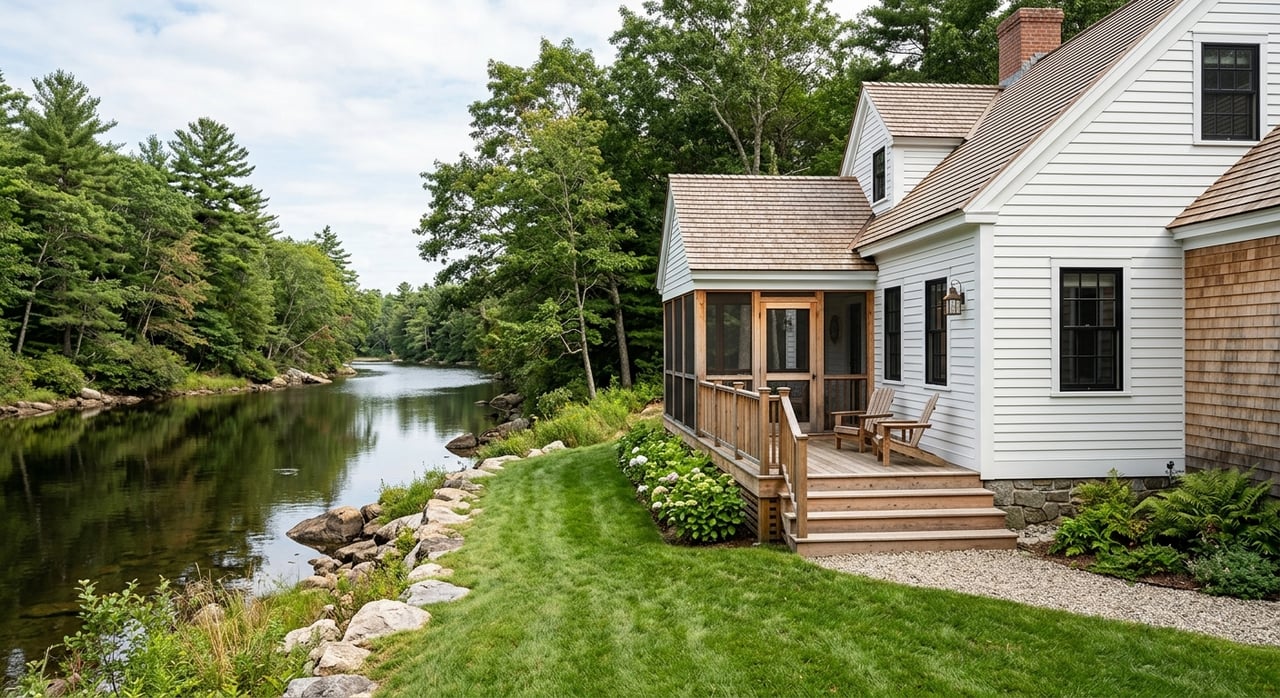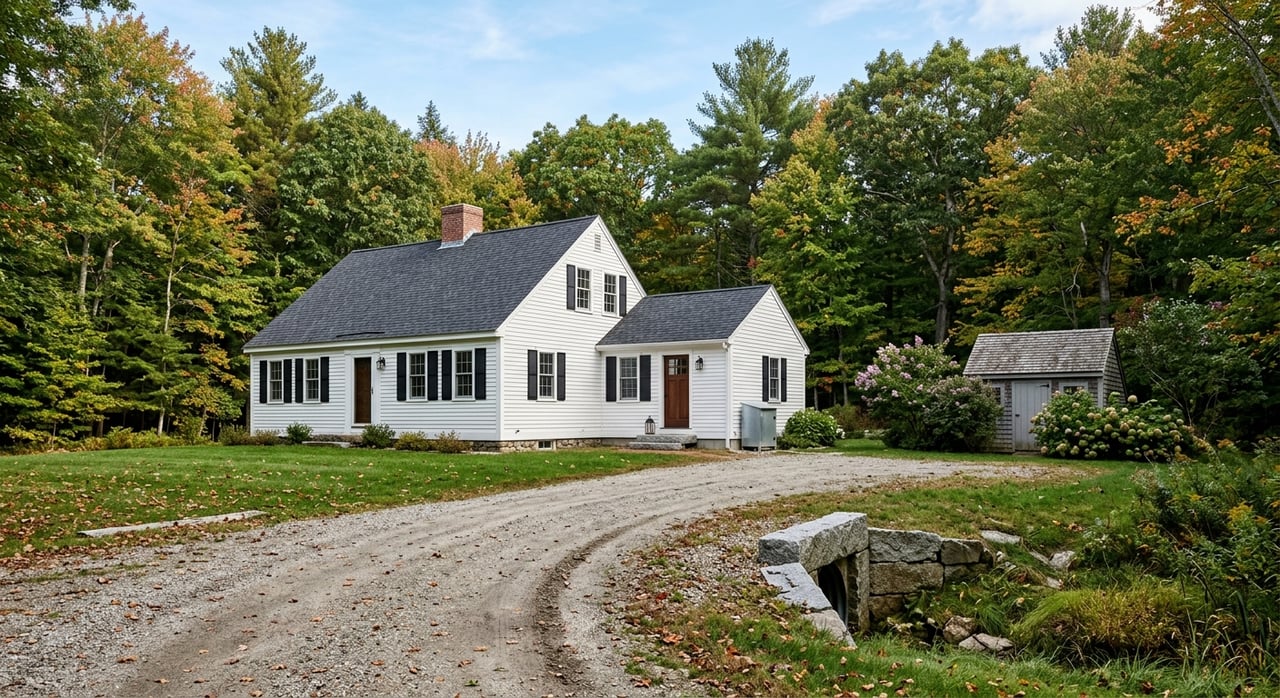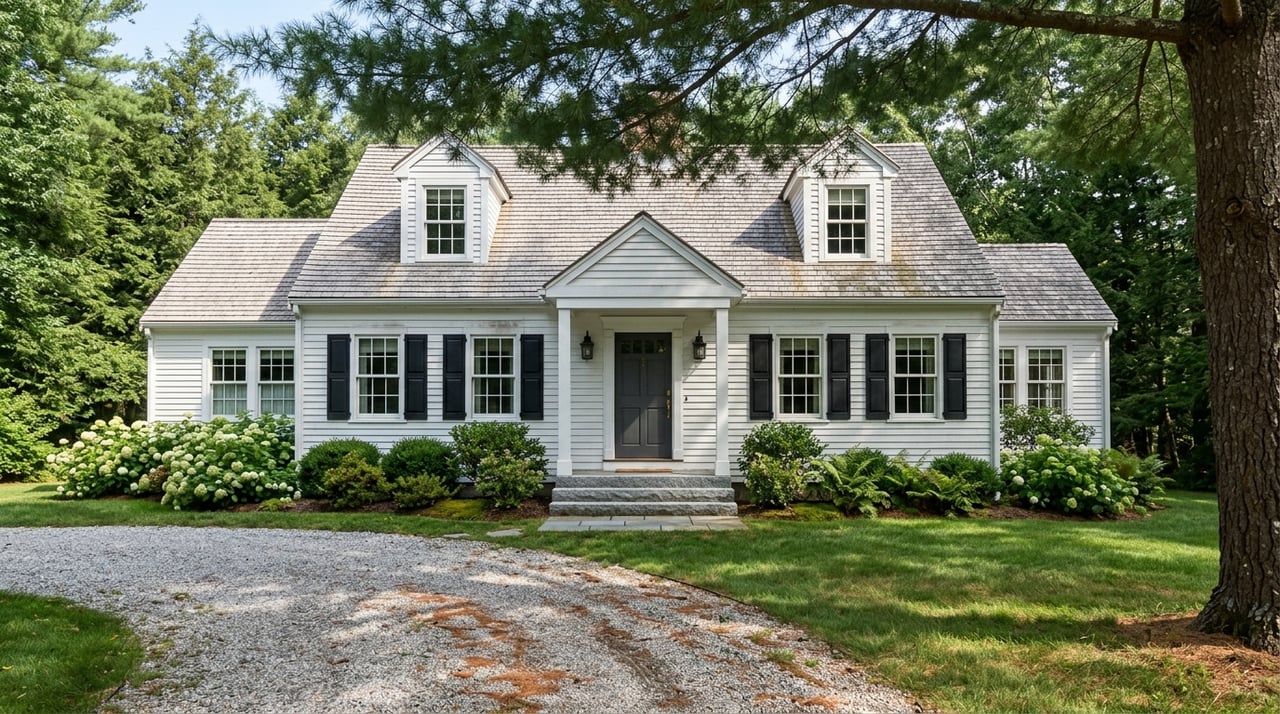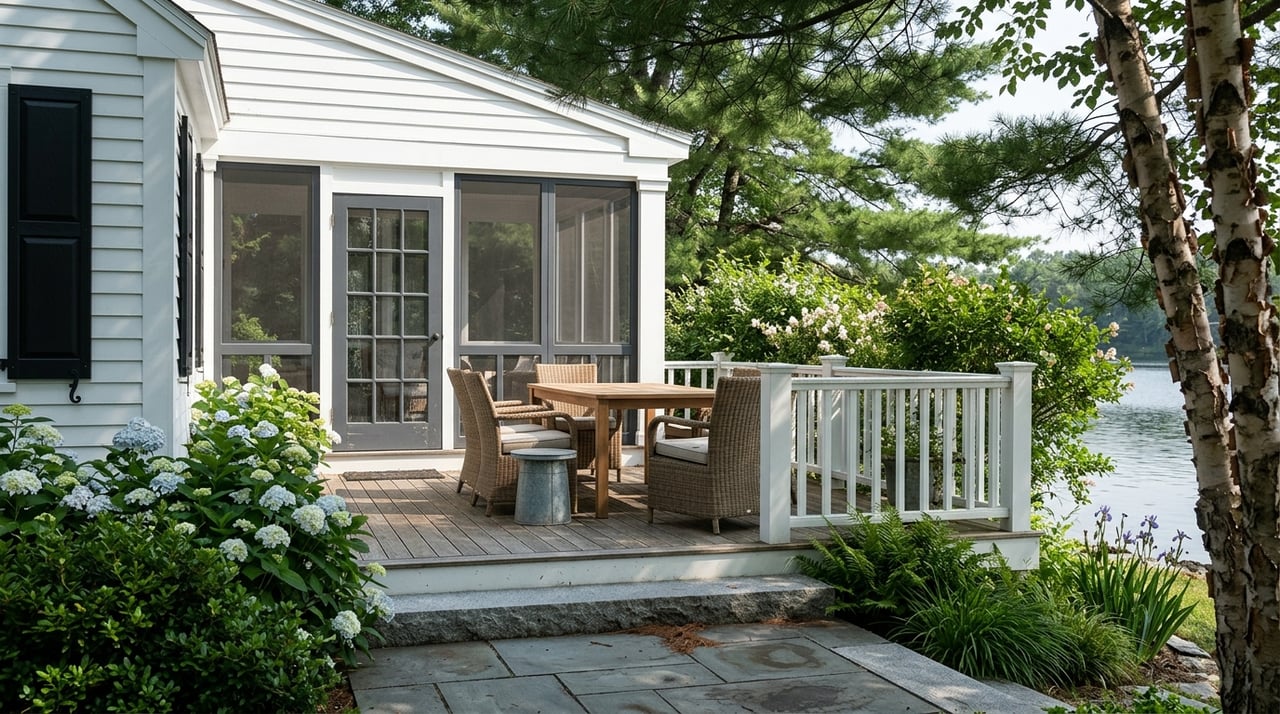
Wondering why one Raymond lake home attracts strong interest while another sits? On waterfront property, buyers are not just judging the house. They are also weighing shoreline use, frontage, dock setup, view quality, and whether the property appears well cared for and properly documented. If you are getting ready to sell, a smart prep and pricing plan can help you protect value and avoid last-minute surprises. Let’s dive in.
Why Raymond lake homes price differently
A lakeside home in Raymond lives in a different market lane than a typical inland property. Buyers often place real value on how the lot functions at the shoreline, not just on updated kitchens, extra bedrooms, or fresh paint.
That matters because Raymond’s local shoreland rules are stricter than what many sellers expect. The town’s shoreland ordinance applies within 600 feet of great ponds or rivers, within 250 feet of freshwater wetlands, and within 100 feet of streams. For waterfront sellers, that means the shoreline itself often plays a major role in both prep decisions and pricing.
Start with shoreline condition
Before you schedule photos or showings, look closely at the shoreline as if you were a buyer seeing it for the first time. A clean, stable, well-maintained waterfront edge sends a strong message about ownership and long-term care.
Raymond’s water-quality guidance notes that runoff from local streams, roads, camp roads, and lake properties can negatively affect lake water quality. Maine DEP also points out that stormwater runoff can carry pollutants to lakes. In practical terms, visible erosion, poor drainage, or worn shore access can raise questions for buyers.
Review drainage and erosion
Walk the property after rainfall if possible. Look for bare soil, channels where water cuts through the lot, washed-out paths, or areas where runoff heads toward the lake.
You do not need to over-improve the property before listing. But you do want to identify obvious issues early, especially if they affect appearance, access, or buyer confidence.
Preserve the vegetation buffer
It can be tempting to remove trees and brush right before listing to open the view. In Raymond, that can create problems if the work goes too far.
The shoreland ordinance prohibits clear-cut openings within 100 feet of certain GPA waters and within 75 feet of other water bodies, tributary streams, or wetland edges. If you are thinking about clearing, this is the time to pause, review what is allowed, and avoid making a last-minute change that could hurt the sale.
Check dock and shore access details
On a Raymond waterfront home, dock and access features are often some of the first things buyers ask about. They are also among the most visible items in listing photos and showings.
Raymond allows no more than one pier, dock, or similar structure on a single lot unless the lot has at least twice the minimum shore frontage. The town also requires shore access to be developed on soils appropriate for the use and built to control erosion. If your dock, stairs, path, or access area has been altered over time, it is worth confirming what exists and how it was approved.
Know the frontage basics
For residential uses, Raymond requires 225 feet of shore frontage per dwelling unit. The ordinance also sets a 100-foot setback from the normal high-water line for most structures.
These rules matter because frontage and setback limits can affect how buyers view a property’s utility. Two homes may sit on water, but their value can differ if one offers stronger frontage, better access, or a more functional shoreline setup.
Build a strong pre-listing file
A well-organized seller file can save time and reduce stress once buyers begin asking questions. It also helps support pricing by showing what makes the property usable, documented, and compliant.
For many Raymond waterfront homes, a helpful pre-listing file may include:
- Survey or frontage documentation
- Dock or pier records
- Shoreline stabilization records
- Permits for recent work
- Any town or DEP approvals tied to shoreline or soil disturbance work
This matters because Raymond’s permit framework is active around shoreline areas. The town notes that soil disturbance within 75 feet of any water body or wetland requires a permit. If work was completed recently, buyers may want proof that it was handled correctly.
Price for waterfront utility
The biggest pricing mistake sellers make is treating a lakeside home like a regular house with a water premium added on top. In Raymond, pricing should reflect market value and the real-world utility of the shoreline, not just interior finishes or a seller’s target number.
Market value is generally understood as the most probable price in a competitive and open market, with a reasonable time for exposure and a sale between informed and prudent parties. That definition is a useful reminder that price must line up with what informed buyers are actually willing to pay.
Use waterfront comps when possible
Comparable sales should come from the same market area whenever possible. Sale activity in the immediate market area is usually the best indicator of value.
For a Raymond lake home, that means inland comps may not tell the full story. It also means one waterfront property may not be the right comp for another if the lots appeal to different buyers because of frontage, access, view, shoreline condition, or overall utility.
Look beyond the house itself
Waterfront-specific features are now more clearly recognized in valuation. View and site influence are treated as separate inputs, and a lake view is an example of a beneficial view.
That is why buyers and appraisers may weigh details such as:
- Shore frontage length
- Quality of shore access
- Dock rights and dock setup
- View quality
- Shoreline condition
- How usable the lot feels near the water
A renovated interior can absolutely help a home compete. But on a Raymond lakeside property, regulated shoreline utility can have just as much influence on value.
Use county data carefully
Broad market numbers can provide context, but they should not set the asking price for a waterfront home. Maine’s April 2026 economic indicators report shows Cumberland County’s Q1 2026 median home sale price at $560,000, compared with $384,250 statewide.
That county figure can help frame the wider market, but it is not a direct pricing tool for a Raymond lake property. A true asking price still needs water-specific comparable sales or a valuation that adjusts for waterfront features.
Time the listing around visibility
Timing matters in any sale, but it can matter even more on the lake. National seller data continues to point to late spring as a strong window, with late March through mid-May often performing well and May standing out in broader seasonal analysis.
For a lakeside home, spring and early summer can offer an extra advantage. Buyers can better evaluate the shoreline, outdoor space, dock area, and water access when those features are visible and usable.
Show the property in season
If possible, list when the home presents its waterfront lifestyle clearly. A property often feels more complete when buyers can see how the shoreline works in normal seasonal conditions.
That can be especially helpful in Raymond, where water access, view quality, and site influence are key parts of value. If buyers can fully understand those benefits during a showing, they may feel more confident about the price.
Consider a pre-listing appraisal
Some waterfront homes are straightforward to price. Others are not.
A pre-listing appraisal can be especially useful when your property has limited comparable sales, unusual shoreline rights, or features that do not compare neatly to standard inland homes. It can also help if you want added confidence before testing a premium price in the market.
In Maine, appraising property value requires a Maine license. That matters because waterfront valuation is not just about square footage. It requires current market analysis, relevant comparables, and attention to the property’s local setting and physical utility.
When an appraisal helps most
A pre-listing appraisal may be worth considering if:
- Direct Raymond waterfront comps are limited
- Your lot has unusual frontage or access characteristics
- Shoreline rights are hard to compare
- You want support for a premium asking price
- You want to avoid overpricing and extended time on market
The most useful appraisal is one that is recent enough to reflect current market conditions and recent sales. In a changing market, timing matters.
Focus on documentation, not shortcuts
The strongest prep strategy for a Raymond lakeside sale is usually not trying to manufacture value right before listing. It is presenting the property clearly, preserving the shoreline’s existing strengths, and documenting recent work.
That approach tends to build more trust with buyers. It also helps reduce the risk that a showing raises questions about over-clearing, unpermitted changes, or shoreline features that look different on paper than they do in person.
A smart Raymond sale starts early
Selling a lakeside home in Raymond takes more than standard home prep. You need a plan that accounts for shoreline presentation, local rules, waterfront comparables, and the specific features buyers are really paying for.
When you prepare early and price with discipline, you give yourself a better chance to attract serious buyers and protect the value of a unique property. If you want expert guidance on pricing, listing strategy, or a pre-listing valuation for your Raymond waterfront home, connect with The Moulton Group RE.
FAQs
What should you do before listing a Raymond lakeside home?
- Review shoreline condition, drainage, erosion, vegetation, dock details, frontage records, and any permits or approvals tied to recent waterfront work.
Why is pricing a Raymond waterfront home different from pricing an inland home?
- Buyers and appraisers may weigh shoreline utility, frontage, access, dock setup, view quality, and shoreline condition alongside the home’s interior features.
Can you price a Raymond lakeside home using Cumberland County median sale prices?
- No. County median pricing is only broad market context and should not replace waterfront comps or a valuation that accounts for lake-specific features.
Does Raymond regulate shoreline work near the lake?
- Yes. Raymond’s shoreland ordinance applies to areas near great ponds, rivers, streams, and wetlands, and certain soil disturbance and vegetation changes may require permits or follow strict limits.
When is the best time to sell a Raymond lakeside home?
- Late spring through early summer can be a strong window because buyers can better assess shoreline access, dock areas, views, and outdoor living space when those features are fully visible and usable.
Should you get a pre-listing appraisal for a Raymond waterfront property?
- It may help if your home has limited comparable sales, unusual shoreline characteristics, or pricing features that are difficult to compare with standard homes.