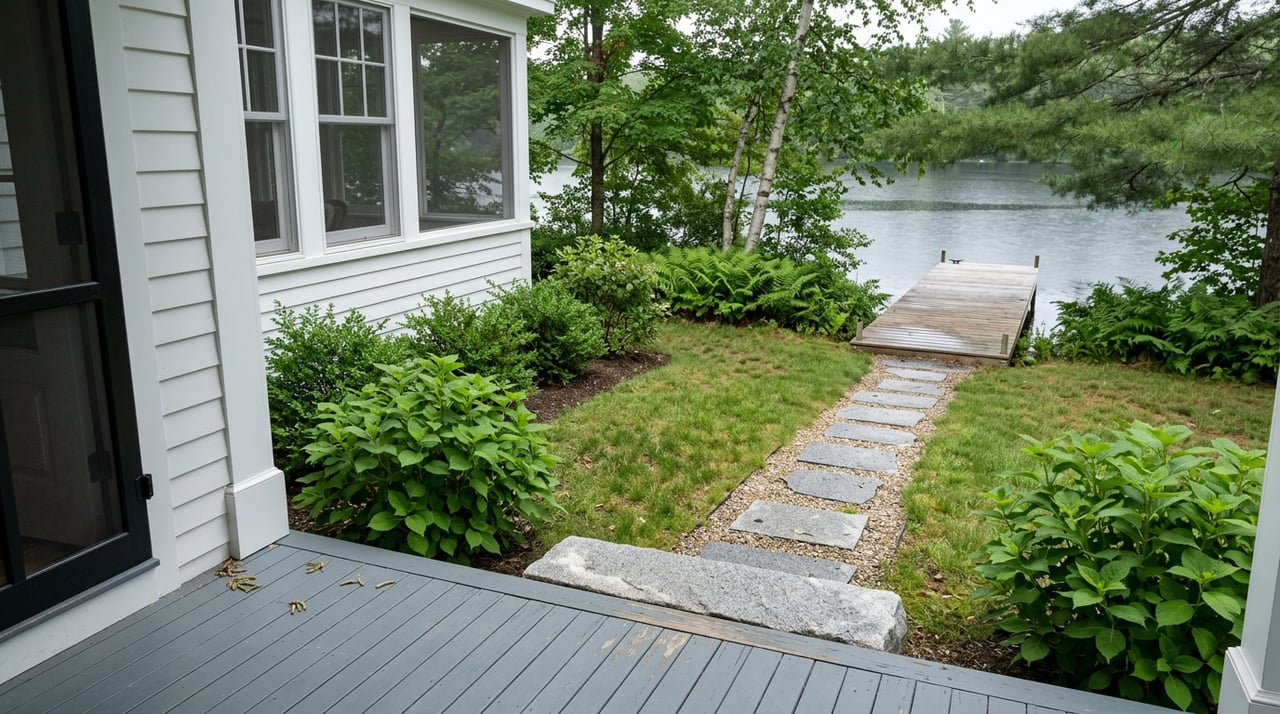
Trying to choose between Windham, Standish, and Raymond for a lake home can feel like comparing three great versions of summer. Each town offers a different way to enjoy Sebago Lake and the nearby ponds, from quiet association beaches to busy public launches and family-friendly parks. If you are weighing access, rules, housing styles, and budget, a clear side-by-side helps. In this guide, you will see how each town feels on the ground, what shoreland rules may affect your plans, and where buyers like you tend to land. Let’s dive in.
Map and vibe at a glance
Sebago Lake anchors the region and touches several towns, including Standish and Raymond, while Windham edges the basin and adds multiple nearby ponds. Regional guides explain how these communities interact with the lake and each other, including public parks and private shoreline patterns across towns. For quick context on the town network and recreation mix, explore the regional overview from the Sebago Lakes Chamber of Commerce.
Lake access and daily use
Windham: Little Sebago and hub conveniences
In Windham, many lake buyers focus on Little Sebago Lake and a cluster of small ponds like Collins and Pettingill. You will find a practical mix of historic camps and newer year-round homes, plus select condos or associations that carry rights on the Sebago basin. Windham also serves as the everyday services hub for the northern Lakes Region, so grocery runs and errands are typically shorter here. For a feel of how boating and public access shape usage across the region, the Chamber’s town pages offer helpful context on launches and beaches you can pair with private options when needed.
Standish: Direct Sebago shoreline and managed launch
Standish controls a long stretch of Sebago’s south shore, which gives buyers more direct shoreline opportunities. The town manages Sebago Lake Station Landing, a public launch with organized parking and rules that make busy days more predictable. You will also see activity on Watchic Pond and several small local waters, plus compact village centers that serve growing year-round neighborhoods. For lake-focused buyers, this often reads as the best blend of big-water frontage and practical public access.
Raymond: Tassel Top Park and seasonal rhythm
Raymond feels deeply lake‑oriented, with Tassel Top Park on Jordan Bay providing a wide sandy beach, picnic areas, and seasonal operations that attract visitors and second-home owners. The town also maintains additional beaches and launches that support Crescent and Panther lakes. Expect a strong summer rhythm along shorefront roads and parks, along with town rules on passes and guest use that keep crowds manageable. If you want a classic lake‑town experience with an active public beach scene, Raymond will be on your short list.
Regional protections that shape use
Across all three towns, watershed protections and public lands influence what you can build and how you use the shoreline. The Portland Water District manages a Sebago Lake land reserve that prioritizes long‑term water quality, which affects permitted activities near certain shorelines and forested buffers. Learn more about these stewardship areas through the Portland Water District’s Sebago Lake Land Reserve. Regionally, parks and public access sites complement private frontage and associations to give most buyers a workable plan for guests, extra vehicles, or off‑site launch days.
Shoreland rules that shape options
Waterfront property is special, and it is also heavily regulated. Maine’s shoreland standards, which towns adopt and tailor locally, commonly produce baseline minimums around 40,000 square feet of lot area and 200 feet of shore frontage on great ponds and inland waters. These rules are meant to protect water quality and limit overdevelopment, so they affect subdivision potential, expansions, and clearing near the water. The exact thresholds, setbacks, and clearing limits live in each town’s ordinance.
- Start with the town code. Windham and Standish apply shoreland overlays that specify frontage, lot area, clearing, and setback requirements along great ponds and streams. You can review Windham’s shoreland provisions in the Town of Windham code and Standish’s in the Town of Standish code.
- Expect nonconforming lots. Many older camps predate today’s standards. They can often be sold and used, but expansion options are limited without approvals. A conversation with the town Code Enforcement Officer is essential before you plan additions or major site work.
- Verify septic and water. Shoreland properties frequently rely on private septic and wells. Confirm current system capacity and whether an engineered replacement will be required for year‑round use.
- Know your rights. Deeds and association bylaws control moorings, docks, parking, and boat storage. Clarify whether you own frontage, share an association beach, or rely on a town or state launch.
For a plain‑English view of the statewide framework, see the citizen overview of Maine’s shoreland zone concepts in this guide. Always confirm your property’s specifics with the town.
Seasonal vs. year‑round housing
The greater Windham Lakes area has long included a meaningful share of seasonal or second homes, and recent planning documents note increased conversions to year‑round use during the pandemic years. That matches what you see on the ground in Windham: established year‑round neighborhoods near Route 302 balanced with clusters of smaller camps on Little Sebago and nearby ponds. Explore the regional planning perspective in the Plan Windham housing section.
Raymond reads as more strongly seasonal along key shoreline corridors. Municipal parks, beach operations, and seasonal passes reinforce that summer is the peak period. Buyers looking for a lively warm‑weather scene near Jordan Bay often center their search here.
Standish splits the difference. The town has grown year‑round neighborhoods plus established lake villages and camp pockets, especially near Sebago’s south shore and Watchic Pond. If you want bigger water and a steady residential base, it is a logical comparison point.
Price context and waterfront premiums
For overall town context, the Zillow Home Value Index as of early 2026 places typical home values around the mid to high 400s, with Windham near 466 to 467 thousand, Standish near 450 to 451 thousand, and Raymond near 478 thousand. These are townwide figures across all property types, not waterfront‑specific. True lakefront properties with long frontage, good lot depth, private docks, and year‑round systems trade at a premium that can reach into the seven figures depending on the lake, frontage, and improvements.
Your best pricing picture comes from a lake‑level market review. Ask for a recent MLS comp pack filtered to your target shoreline, and separate results by year‑round homes, seasonal camps, and association or condominium options. If you need a formal valuation for estate, tax, or legal planning, a USPAP‑compliant appraisal can provide a defensible number alongside your purchase strategy.
Commute, schools, and services
Windham is the most amenity‑dense of the three towns, with larger shopping centers and shorter drives to Greater Portland. Standish and Raymond feature smaller village centers and more lake‑forward lifestyles, so plan on longer trips for specialty shopping and certain health services.
School districts differ by town. Windham and Raymond are served by RSU 14, while Standish is part of the Bonny Eagle system, MSAD 6. When comparing neighborhoods, verify a property’s assigned schools directly with the district.
Buyer checklist for lake property
Use this quick list to keep your search focused and efficient.
- Target lakes and ponds. Decide between Sebago’s main basin, Little Sebago, or smaller waters like Crescent and Panther. A regional inventory helps you compare options across Cumberland County, including launch availability and nearby amenities. See this lakes list.
- Confirm access type. Do you own frontage, share an association beach, or rely on town facilities like Tassel Top Park and other Raymond sites? Rules on parking, guest passes, and moorings vary.
- Check shoreland status. Is the parcel inside a shoreland overlay, and if so, does it meet minimum lot area and frontage? Start with the Windham code or Standish code and verify with the town.
- Validate septic and year‑round feasibility. Ask for current system details and any prior permits. Older camps often need upgrades for year‑round conversion.
- Compare school districts and commute. Windham and Raymond are in RSU 14. Standish is in MSAD 6. Map your daily routes before you commit.
- Price with precision. Use a lake‑specific MLS comp set and consider a formal appraisal if you need documentation for lending, estate, or tax planning.
Which town fits your lake life?
- Choose Windham if you want everyday convenience, a strong year‑round base, and access to Little Sebago and nearby ponds, with select Sebago‑basin options through associations or condos.
- Choose Standish if your priority is direct Sebago shoreline and structured public launch capacity, with a balance of lake villages and growing residential areas.
- Choose Raymond if you want a classic lake‑town feel centered on Tassel Top Park and municipal beaches, with a more pronounced summer rhythm along the shoreline.
When you are ready to compare properties side by side, we can pull a targeted waterfront comp pack for your exact lake, confirm shoreland and septic details with the town, and, if needed, provide a USPAP‑compliant appraisal to back your offer strategy. Let’s build your lake plan with clarity and confidence. Reach out to The Moulton Group RE to start your search or request a free valuation.
FAQs
What is the main difference in lake access among Windham, Standish, and Raymond?
- Windham centers on Little Sebago and small ponds with a services hub feel, Standish offers more direct Sebago shoreline plus a managed town launch, and Raymond features Tassel Top Park and municipal beaches that shape a strong seasonal rhythm.
What shoreland zoning basics should Sebago‑area buyers know?
- Expect baseline minimums near 40,000 square feet of lot area and about 200 feet of shore frontage on great ponds, plus local setbacks, clearing limits, and lot‑coverage caps that you should verify in each town’s code.
Are most homes around Sebago seasonal or year‑round?
- You will find a mix: Windham shows substantial year‑round neighborhoods with seasonal camps around smaller lakes, Raymond has a stronger summer population near Jordan Bay, and Standish blends lake villages with steady year‑round growth corridors.
How do typical home prices compare across the three towns?
- As a townwide snapshot in early 2026, typical values cluster in the mid to high 400s, with Raymond generally higher than Standish and Windham in between, though true waterfront properties trade at significant premiums.
Which school districts serve these towns?
- Windham and Raymond belong to RSU 14 and Standish is in MSAD 6, so always confirm a property’s assignment directly with the district during your search.