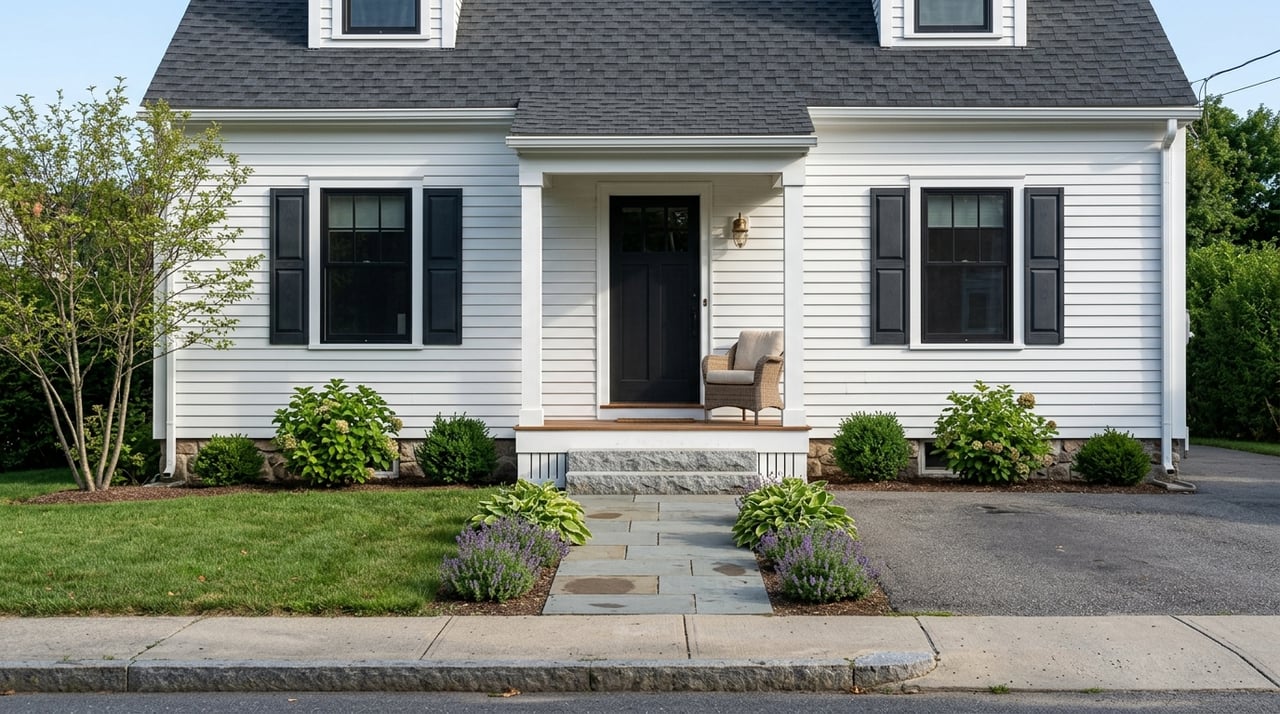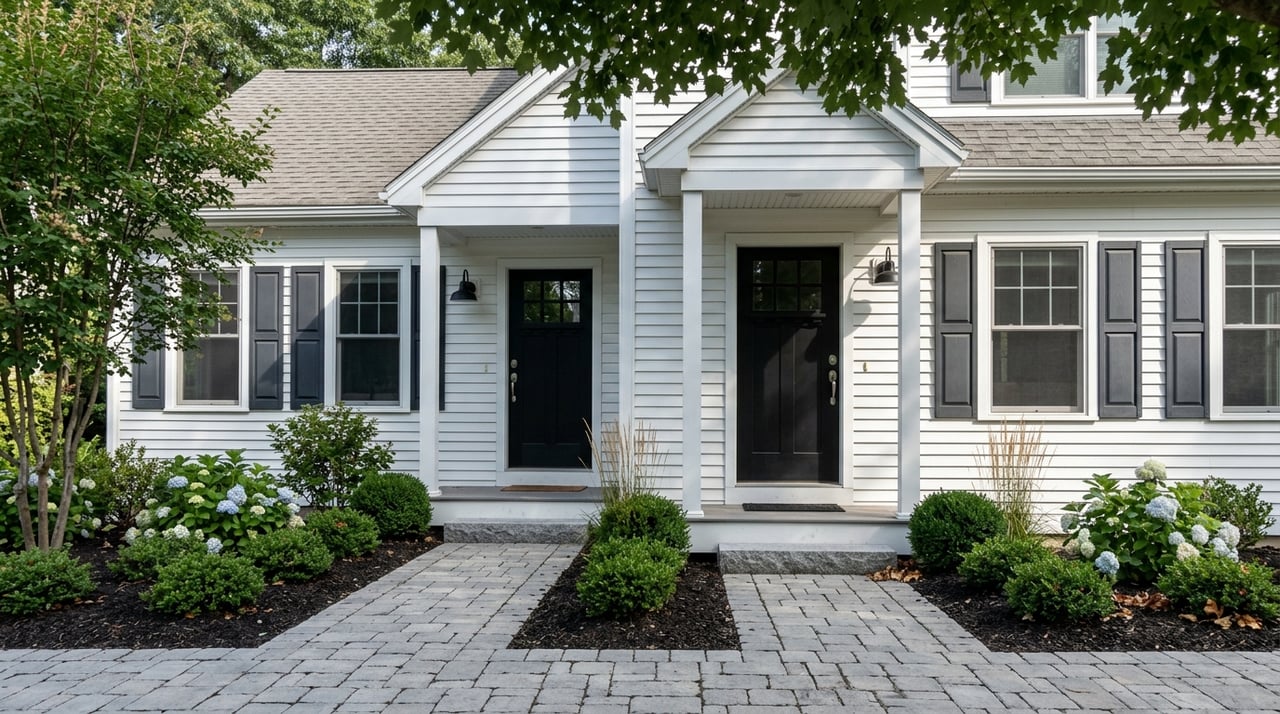
If you are trying to choose between a condo and a house in Falmouth, you are not alone. In a high-cost market where both options can come with a big price tag, the real question is not just what you can buy, but how you want to live. The right fit depends on your budget, your tolerance for upkeep, and how much privacy and control you want day to day. Let’s break it down so you can make a confident decision.
Why this choice matters in Falmouth
Falmouth offers a lot no matter which property type you choose. The town has shopping, a medical center, parks, hiking trails, recreation facilities, and coastal access through places like Town Landing. Falmouth Community Park alone includes 160 acres and nearly 4 miles of trails.
Because local amenities are already strong, the condo-versus-house decision often comes down to lifestyle. In Falmouth, many buyers are not choosing between convenience and inconvenience. They are choosing between private space and flexibility on one hand, and lower exterior responsibility and shared structure on the other.
Falmouth housing costs at a glance
Falmouth is an expensive market regardless of property type. Zillow shows an average Falmouth home value of $897,432 as of April 30, 2026, while Redfin reports a three-month median closed-sale price of $948,270, with 27 homes sold in April 2026 and a median 19 days on market. Redfin also reports 13 active condos for sale with a median listing price of $868,000.
These numbers are directional, not directly comparable, because they measure different things. Still, they show an important point: a condo in Falmouth may cost a little less than a house in some cases, but it is still a major investment.
How condos and houses differ in Maine
In Maine, a condo is legally different from a detached house. Each condo unit is a separate parcel of real estate that is separately assessed and taxed, and the condo association is organized as a nonprofit corporation. That structure affects maintenance, budgeting, rules, and resale.
For condos, the association is generally responsible for maintenance, repair, and replacement of common elements. You, as the owner, are generally responsible for the unit itself. With a house, those responsibilities usually fall directly on you.
That difference shapes everyday living. A condo often means less direct exterior upkeep, while a house usually gives you more control over the property and fewer shared rules.
Choose a condo if convenience matters most
A condo may be the better fit if you want a simpler ownership experience. If your schedule is full, or you would rather not spend weekends managing exterior projects, condo living can feel more predictable.
A condo in Falmouth may work well for you if you want:
- Less direct responsibility for exterior maintenance
- A more streamlined day-to-day routine
- A property type that may require less yard work
- Shared management of common elements
- A home base near local amenities and recreation without maintaining a larger lot
That convenience does come with tradeoffs. Condo ownership usually means living within association rules, budgeting for dues, and accepting less privacy than you might have in a detached home.
Choose a house if autonomy matters most
A single-family house may be the better fit if you want more independence. For many buyers, the biggest value of a house is not just square footage. It is the ability to control more of your property and make decisions without shared governance.
A house in Falmouth may make more sense if you want:
- More privacy from nearby neighbors
- Yard space for outdoor living or recreation
- More flexibility for renovations and property changes
- Fewer shared rules and approvals
- Full control over maintenance decisions and timing
The tradeoff is clear. A house often gives you more freedom, but it also brings more direct responsibility for repairs, upkeep, and long-term planning.
Compare the real monthly cost
One of the biggest mistakes buyers make is comparing only the purchase price. The better comparison is the total carrying cost of each option.
The total monthly home payment can include:
- Mortgage principal and interest
- Property taxes
- Homeowners insurance
- Flood insurance, if applicable
- HOA or condo dues
In Falmouth, the 2025-2026 property tax rate is $13.85 per $1,000 of assessed value, and the town says assessments are at 100% of market value. Using current market snapshots as rough examples, annual property tax would be about $12,429 on a value of $897,432 and about $12,022 on a condo price of $868,000. These are budgeting examples, not exact future tax bills.
That is where condos can surprise buyers. Even if the list price is somewhat lower, monthly dues can materially change the total payment. Condo and HOA dues are typically paid directly to the association, and they are separate from the mortgage payment.
Understand condo dues and assessments
In Maine, condo associations must adopt assessments at least annually based on a budget. Unpaid assessments can become a lien enforceable like a mortgage. Associations also must maintain property insurance on common elements and liability insurance for the association.
For you as a buyer, that means condo costs are not limited to the list price and mortgage rate. Dues can change, and special assessments may also affect your budget over time. That does not make condos a bad choice, but it does make document review especially important.
Review HOA documents carefully
If you are considering a condo in Falmouth, the HOA packet matters. It is not just paperwork to skim at the end.
Maine law requires associations to keep accounting records, minutes, bylaws, rules, financial statements, tax returns, current contracts, and voting records. Unit owners can access most records on written notice. That gives buyers useful tools for evaluating the health and management of the project.
When reviewing a condo, pay close attention to:
- Current monthly dues
- Recent dues increases
- Special assessments
- Reserve funding
- Rules about alterations to your unit
- Rules that may affect future use or resale
- Insurance responsibilities between owner and association
Financing and resale can be different for condos
Financing a condo is not always the same as financing a detached house. Condo resale can be more sensitive to project health, lender approval, and HOA rules.
Fannie Mae uses Condo Project Manager to determine whether a condo project meets its requirements. Freddie Mac also states that a condo unit in a project with Not Eligible status is ineligible for sale to Freddie Mac. In practical terms, that means some condo projects may face more financing friction than a typical single-family home.
This is one reason valuation and document review matter so much. If a condo project has weak reserves, rule issues, or financing limitations, those factors can affect demand and resale more quickly than many buyers expect.
What broader market trends suggest
National market data adds one more reason to look closely at condo resale. Redfin reported in July 2025 that the median U.S. condo sale price fell 2.2% year over year in May 2025, while the median single-family sale price rose 0.5%. Redfin also said condo sales fell 11.9% year over year, which was more than three times the drop in single-family sales.
In June 2025, Redfin reported that 9.9% of active condos were at risk of selling at a loss, compared with 4.4% of active single-family listings. Those are national figures, not Falmouth-specific outcomes, but they are a useful reminder that condo resale deserves careful analysis.
A simple way to decide
If you feel torn, start by asking yourself a few practical questions. Your answers will usually point you in the right direction faster than scrolling listings for hours.
Ask yourself:
- Do you want less exterior upkeep, even if it means shared rules?
- Do you want more privacy and control, even if it means more maintenance?
- Is yard space important to your daily life?
- Are you comfortable reviewing HOA budgets, rules, and reserves?
- Would dues fit comfortably into your monthly budget?
- How important is future financing flexibility and resale ease?
If convenience and lower direct exterior responsibility rank highest, a condo may be the stronger choice. If privacy, outdoor space, and renovation freedom matter more, a house may be the better long-term fit.
Why valuation matters before you decide
In a market like Falmouth, a good decision starts with a clear look at value, not just asking price. Two properties with similar prices can have very different monthly costs, resale outlooks, and ownership experiences.
That is why it helps to compare options through a local lens. Looking at taxes, dues, property type, market positioning, and likely resale appeal can give you a more accurate picture of what each option really offers.
Whether you are leaning toward a condo or a house in Falmouth, the goal is the same: choose a property that fits your budget, your lifestyle, and your long-term plans. If you want a local, data-driven perspective on pricing and property value in Greater Portland’s coastal suburbs, The Moulton Group RE can help you sort through the numbers and move forward with confidence.
FAQs
How do condo fees affect your monthly housing cost in Falmouth?
- Condo fees are usually paid directly to the association and are separate from your mortgage payment, so you should add them to mortgage principal, interest, property taxes, insurance, and any flood insurance when comparing total monthly cost.
How are condos taxed compared with houses in Falmouth?
- In Maine, each condo unit is a separate parcel of real estate and is separately assessed and taxed, just like a detached home is assessed based on its property value.
What maintenance does a condo owner handle in Maine?
- In general, the association is responsible for common elements, while you remain responsible for your unit itself, so your direct exterior responsibilities may be lower than with a house.
What should you review before buying a condo in Falmouth?
- You should review the HOA budget, dues, reserve funding, recent financial statements, rules, meeting minutes, contracts, and any special assessments because those details can affect both monthly cost and resale.
Is a house usually better for privacy in Falmouth?
- A detached house usually offers more privacy, more yard space, and fewer shared rules than a condo, though it also comes with more direct maintenance responsibility.
Can condo financing be harder than house financing in Falmouth?
- Yes, condo financing can involve added project review because lender eligibility may depend on the financial and operational health of the condo project, not just your individual qualifications.