Thinking about selling in Yarmouth this year? The week you choose to hit the market can shape how many buyers you attract, how fast you sell, and your final price. If you want summer timing or you are eyeing the spring surge, knowing when demand peaks in southern Maine will help you plan with confidence. In this guide, you will learn the best listing windows for Yarmouth, how timing differs for waterfront and in-town homes, and an easy 6 to 8 week prep timeline. Let’s dive in.
Why timing matters in Yarmouth
Yarmouth follows a clear seasonal pattern common to Greater Portland and much of New England. Buyer traffic and new listings rise in early spring, peak from April through June, and stay active into summer. Fall slows, and winter tends to be the quietest period for both showings and new listings.
Local buyer behavior also tracks the school calendar and Maine’s outdoor season. Many families aim to move in summer, so they shop hardest in spring. Waterfront and second-home buyers like to visit when they can experience the coastline in season, which often means late spring and summer. Weather matters too. Mud season can make yards look tired, so curb appeal and photo timing usually improve by April and May.
Best listing windows
In-town homes: mid-April to mid-May
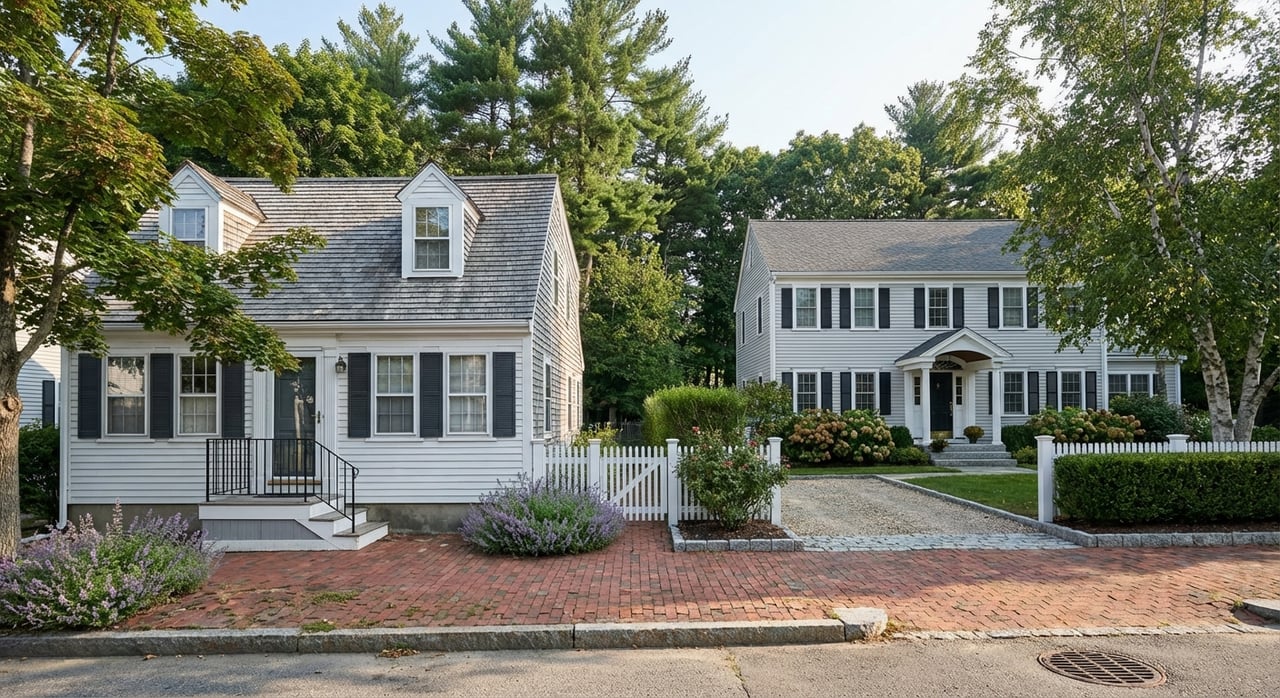
For village and suburban listings that appeal to families and commuters, the sweet spot is often mid-April through mid-May. You will capture peak spring demand, align with school-year planning, and allow time to close before summer.
Waterfront homes: two strong options
- Option A, early spring push: late March through April. This exposes your home to buyers planning ahead for summer while giving time for shoreline inspections.
- Option B, summer-focused: late May through July. This lets buyers experience water access and the setting in season. Expect some shoppers to prioritize quick summer occupancy.
Secondary fall window
If you miss spring, late August to September can work for buyers targeting fall closings. Expect overall demand to be lower than spring and early summer.
Timing trade-offs to consider
Listing too early in March can mean soggy lawns and fewer showings. Listing too late in July or August can compete with vacations, and some families pause their search. If you want to close before school starts, back-calculate 30 to 60 days from your target closing date and list earlier to build in a buffer.
Match timing to your buyer
Families and commuters
These buyers often want to close by mid-summer and move before the new school year. Listing in April or May keeps you in their sights and allows a typical 30 to 60 day contract-to-close timeline.
Waterfront and seasonal buyers
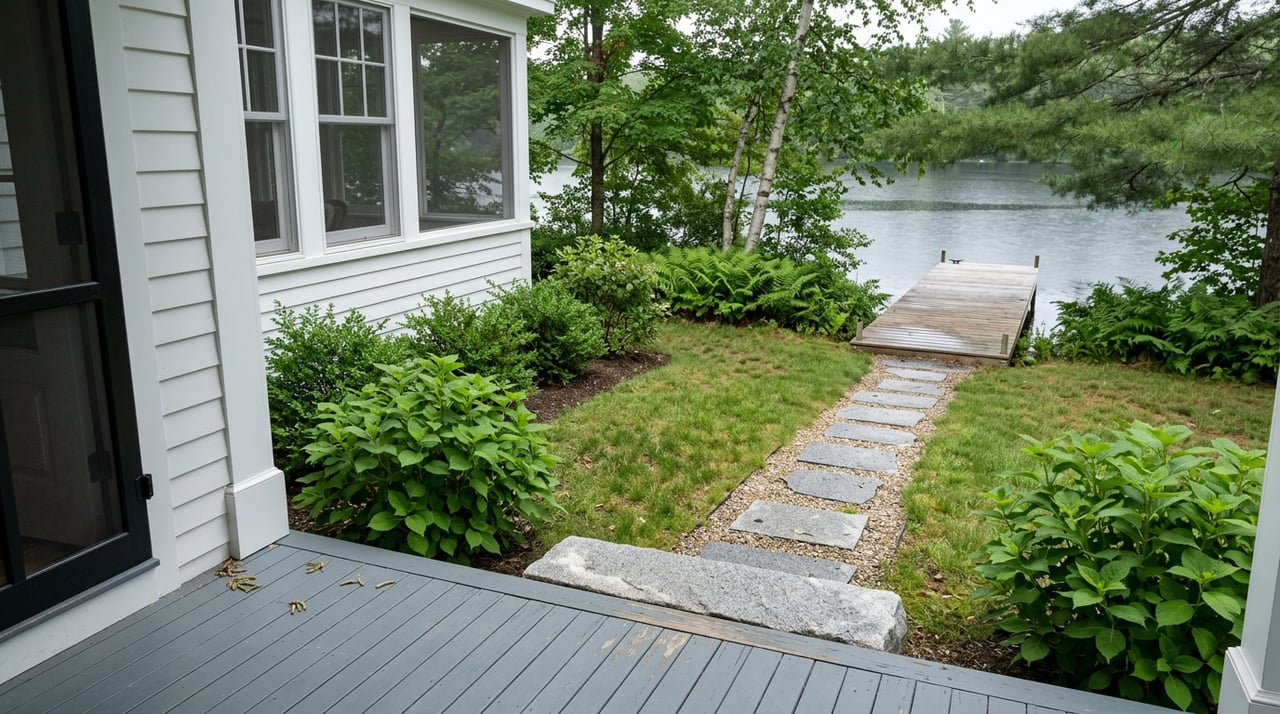
Many prefer to tour when they can see docks, tides, and shoreline conditions. Listings launched late May through July can capture the in-season energy. If you want more runway for inspections and permits, consider late March or April.
Remote workers and relocators
These buyers can act year-round but tend to respond to spring inventory. Strong photos, flexible showing times, and clear disclosures make your home more competitive whenever you list.
Prep smart: 6 to 8 week plan
Use this practical checklist to be listing-ready without the stress. Adjust based on your target date and property type.
Core prep before listing
- Declutter and deep clean
- Minor repairs: paint touch-ups, hardware, caulking
- Mechanical checks: HVAC, water heater, major appliances
- Septic servicing and records if applicable
- Optional pre-listing inspection for transparency
- Landscaping and curb appeal refresh
- Professional photography and floor plans
- Marketing copy and feature list
- Verify permits for past renovations
- Staging or virtual staging plan
- Pricing strategy and CMA
Week-by-week plan (8 weeks)
Week 8, plan and schedule
- Hire your listing agent and set your target go-live week.
- Order a comparative market analysis and pricing strategy.
- Book contractors, cleaners, landscapers, and septic service if needed.
- Schedule a pre-listing inspection if you want early clarity.
Week 7, declutter and repairs
- Remove excess items and depersonalize. Consider short-term storage.
- Fix small issues: leaks, lighting, door hardware.
- Schedule a deep clean.
Week 6, cosmetics and curb appeal
- Paint touch-ups and a light interior refresh.
- Start landscape cleanup and early-season planting when weather allows.
- Finalize staging plan.
Week 5, systems and records
- Service HVAC and water heater. Gather manuals and warranties.
- Pump or inspect septic if due, and collect records.
- Compile renovation permits and utility information.
Week 4, final repairs and staging
- Finish punch-list items and ensure spaces are camera-ready.
- Install staging pieces and complete decluttering.
- Prepare disclosures and a detailed feature sheet.
Week 3, photography and marketing
- Schedule professional photos. Pick the best light and, for waterfront, aim to capture favorable tides.
- Order drone imagery for waterfront or acreage if appropriate.
- Create floor plans and a neighborhood amenity highlight.
Week 2, launch prep
- Prepare the MLS listing and confirm syndication.
- Schedule open houses and plan showing windows, including evenings and weekends.
- Avoid major local events if they could reduce turnout.
Week 1, go live
- Activate the listing, gather feedback fast, and be ready for offers and document requests.
Condensed plan (6 weeks)
Combine decluttering, repairs, and curb appeal in Weeks 6 and 5, and book contractors immediately. Prioritize quick wins that photograph well and address any items buyers will flag during inspections.
Waterfront vs. in-town prep
Waterfront must-do items
- Provide clear shoreline, dock, and view photos. Include different tides if relevant.
- Gather documentation for dock ownership and permits.
- Confirm flood zone status and have elevation or foundation details available.
- Expect specialized inspections. If you have coastal engineering or shoreline assessments, have them ready.
In-town must-do items
- Emphasize proximity to village amenities and commuter routes in your marketing.
- Focus on curb appeal: entry lighting, mailbox, house numbers, and a welcoming front door.
- Highlight practical updates such as kitchen, bath, storage, and parking.
Photography and curb appeal timing
Maine’s mud season can make landscaping look flat, so schedule exterior photos when grass and shrubs begin to green up, often in April or May. For waterfront, plan shots that show access points, kayak or boat storage, and wide water views. Consider early morning or evening light for warmer images. If your shoreline has seasonal differences, include a mix of photos that help buyers imagine year-round enjoyment.
Price with confidence
Check current local metrics for Yarmouth and greater Cumberland County, including inventory, days on market, and months of supply. If inventory is tight, an earlier spring launch can capture pent-up demand even if the yard is not in full bloom. If inventory rises, aim for April to May visibility and invest in staging and presentation.
If you want more certainty, use pricing support that blends local insight with formal valuation. The Moulton Group pairs brokerage strategy with USPAP-compliant appraisal services so you get accurate pricing, transparent documentation, and marketing that protects your value from day one.
Ready to map your best listing week and prep plan? Reach out to The Moulton Group RE to align timing, pricing, and presentation for a confident sale.
FAQs
When should I list an in-town Yarmouth home for strongest demand?
- Mid-April through mid-May often captures peak spring buyer traffic while allowing time to close before summer.
Is March too early to list in Yarmouth?
- Early March can face mud season and lighter showings, but late March can work if inventory is low and you have strong interior presentation.
When do Yarmouth waterfront buyers usually shop?
- Many tour and decide in late spring and summer, so late May through July is strong; an April launch can work if you want more time for inspections.
How far ahead should I start prepping to list?
- Start 6 to 8 weeks before your target go-live date to complete decluttering, repairs, staging, and photography without rushing.
What should I disclose for a Yarmouth waterfront property?
- Be ready with shoreline structures, dock permits, flood zone status, septic information, and any recent shoreline assessments or repairs.
How do I time closing before the school year starts?
- Back-calculate 30 to 60 days for negotiation and closing, then list in April or early May to give yourself a buffer for a mid-summer move.