In Gorham, a mile or two can change what you pay, how fast homes sell, and who you compete against. If you are trying to compare neighborhoods with confidence, small differences in location matter a lot. This quick guide breaks down Gorham’s micro-markets and gives you a simple way to compare price, speed, and trade-offs. Let’s dive in.
What a micro-market means in Gorham
A micro-market is a small area where homes share similar features, buyer demand, and pricing behavior. In Gorham, three practical pockets tend to act like separate markets: near the University of Southern Maine (USM), the in-town village core, and the rural outskirts with newer subdivisions. Each has its own pricing patterns and buyer pool.
Use this lens to narrow your search and focus on the data that actually applies to the homes you want.
USM-adjacent: What to expect
Housing and buyers
Near the USM campus, you will see small single-family homes, duplexes, condos, and some student rental conversions. There is a higher share of renter-occupied units. Typical buyers include students, university staff, investors looking for rentals, and first-time buyers seeking lower absolute prices.
Market behavior
Turnover can move faster for rental-friendly properties during the academic cycle. Listings often rise in late spring and early summer. Single-family homes priced for rental use can be more price sensitive, and list-to-sale negotiations may reflect cash flow math.
Key checks
- Zoning, multi-unit rules, and occupancy limits
- Parking regulations and on-street parking rules
- Proximity and potential for noise
- Condition and systems if you plan to rent, since higher wear can impact costs
In-town and village core: What to expect
Housing and buyers
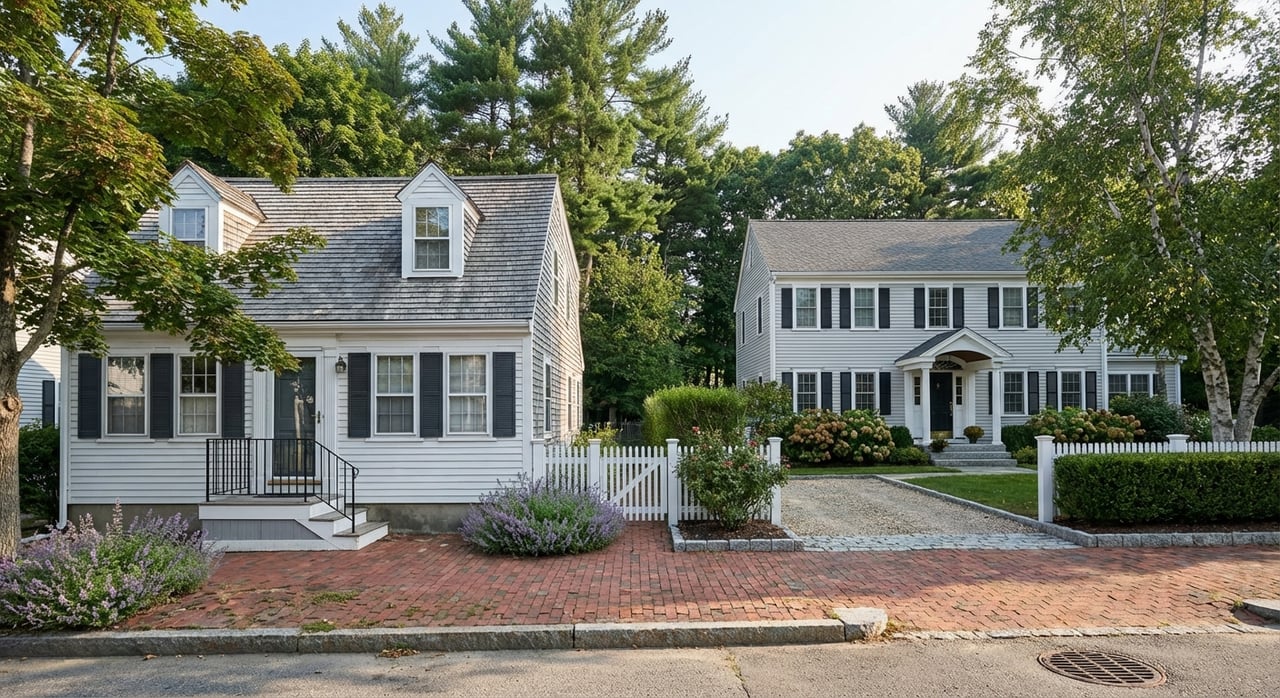
Close to Gorham’s historic center and municipal services, you will find older single-family homes with character, some small newer infill, and walkable streets. Lots are smaller than in the outskirts. Buyers include households who value proximity to schools and services, as well as buyers who want a lower-maintenance yard.
Market behavior
Homes here often hold value due to walkability and access to services. Move-in ready homes can see lower days on market. Unique character and location can produce a premium price per square foot.
Key checks
- Any historic district or exterior improvement rules
- Smaller yard size and limited garage or driveway options
- Property tax considerations tied to assessed value
Rural outskirts and subdivisions: What to expect
Housing and buyers
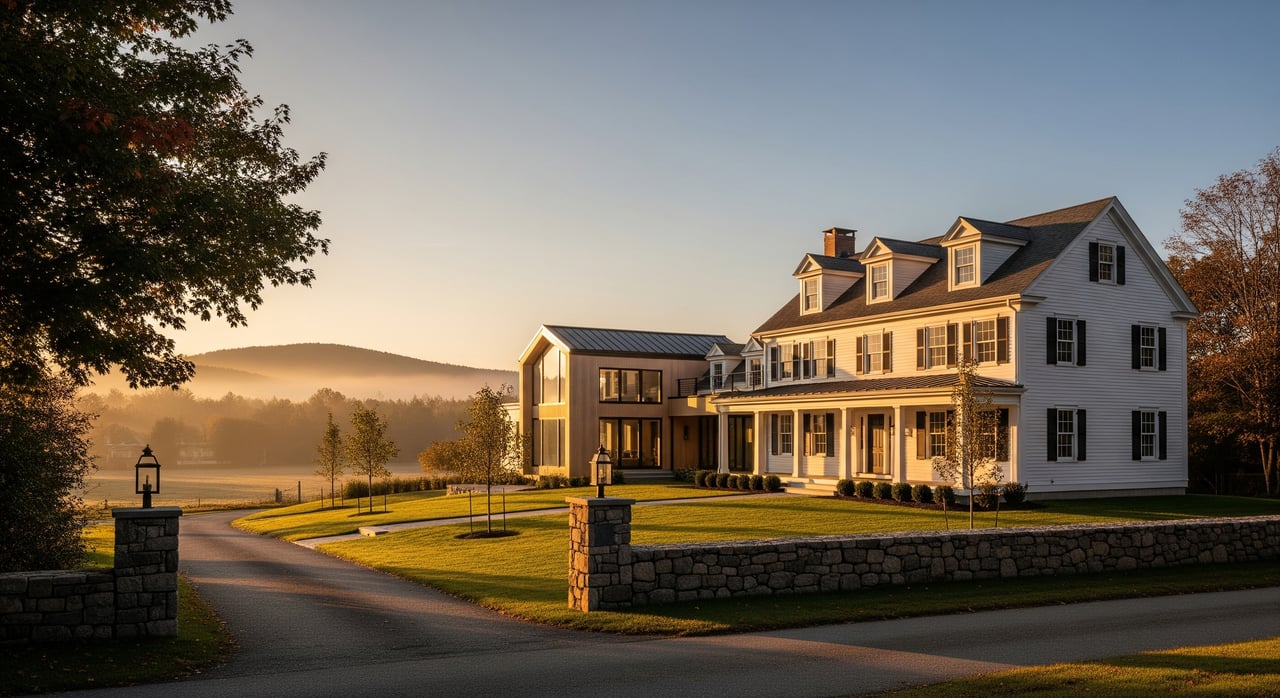
Outside the village core, you will see newer single-family homes, larger lots, some custom builds, and small farms. Many buyers prioritize space, privacy, garages, home office potential, and outdoor amenities.
Market behavior
Price per acre is often lower, but total price depends on size, finishes, and upgrades. High-priced custom homes can take longer to sell. Turn-key subdivision homes see steady demand.
Key checks
- Commute time to Portland, Westbrook, and local services
- Winter road maintenance responsibilities
- Utilities, including well and septic vs town services
- Broadband availability and cell coverage
How to compare neighborhoods by data
If you want a clear, apples-to-apples view, keep your filters tight and use rolling time windows.
Set your filters
- Keep the property type the same when comparing. Do not compare condos by USM to single-family homes on large lots.
- Use a 6 to 12 month rolling window. Medians are better than averages to reduce outliers.
- Compare the same seasons year over year when possible.
Track the key metrics
- Median sale price: Best snapshot of typical pricing.
- Average days on market: Use rolling windows and ask for cumulative days, not just the last listing.
- Inventory and months supply: Months of inventory equals active listings divided by monthly sales. Less than 4 months often favors sellers. More than 6 months often favors buyers.
- Price per square foot: Compare only similar home types and adjust for lot size, condition, and age.
- List-to-sale ratio: Sale price divided by the last list price shows negotiation room.
- New listings vs pendings: If new listings grow while pendings hold steady, competition may be easing.
- Renter and owner occupancy: Use census data to understand investor or student-driven demand near USM.
Reading the signals
- Expect seasonality. Spring and early summer are busier. Off-season days on market can stretch even if demand is steady.
- Small sample sizes can swing medians. Combine adjacent streets or expand the radius to stabilize results.
- Be mindful of one-off events like new construction phases or a large investor purchase.
Buyer trade-offs you will weigh
- Space vs price: Outskirts often offer more land and interior space per dollar. In-town offers convenience and walkability with smaller lots.
- Commute vs amenities: Closer-in locations can shorten drives and raise competition.
- Budget vs maintenance: Older in-town homes can have charm with potential updates. Newer outskirts homes can be more turn-key but may add transportation or energy costs.
- Rental income vs stability: Near USM, potential yield may be higher along with more management needs.
Profiles and quick recommendations
Student or investor
- Focus on USM-adjacent multi-unit, small single-family, or condos.
- Confirm rental bylaws, occupancy limits, and parking rules.
- Model cash flow after taxes, insurance, maintenance, and vacancy tied to the academic calendar.
First-time buyer or growing household
- Consider in-town for access to services or subdivisions for room to grow.
- Check school department boundaries and transportation options.
- Prioritize inspection scope for older systems or larger mechanicals.
Buyer seeking land and privacy
- Focus on rural outskirts and larger-lot subdivisions.
- Verify septic design, well capacity, and any lot restrictions.
- Review future land-use plans to understand potential nearby development.
Portland or Westbrook commuter
- Choose areas with straightforward access to main arteries.
- Test drive routes at peak hours and account for winter conditions.
- Ask about snow removal and private road agreements.
Due diligence checklist for Gorham buyers
Property-level checks
- Deed, easements, covenants, and restrictions: Cumberland County Registry of Deeds
- Floodplain maps and wetland buffers: FEMA Flood Map Service and Town of Gorham planning or engineering
- Septic and well records: Town of Gorham Code Enforcement or Health Officer
- Tax history and assessed value: Gorham Assessor’s Office
- Utilities and services: Town of Gorham public works and local utility providers
- Broadband and cell coverage: ConnectMaine or Maine Broadband Office and carrier maps
Neighborhood and market checks
- Recent solds, actives, and pendings by micro-market: Ask for MLS reports with custom neighborhood polygons
- School boundaries and programs: Gorham School Department and state education reports
- Traffic and commuting patterns: MaineDOT traffic counts and on-the-ground test drives
- Zoning and land-use plans: Gorham Planning Board, town comprehensive plan, and meeting minutes
- New development pipeline: Planning Board agendas and local builder permits
Make your short list in five steps
- Define the property type and must-haves, then pick one micro-market to start.
- Pull a 6 to 12 month rolling window of median price, days on market, and months supply for that area and property type.
- Walk or drive the streets at different times, including a peak commute and an evening visit.
- Price test a few recent solds against your target to confirm list-to-sale patterns and typical negotiation room.
- Run the due diligence checklist for any homes that make your top three.
When to negotiate in Gorham
Compare current list-to-sale ratios and days on market to recent norms. Rising inventory and longer days on market usually boost your leverage. If pendings lag behind new listings, you can often negotiate more on price or terms. Always confirm if days on market reflect a relist, and ask your agent for cumulative days and full listing history.
Why a data-driven local advisor helps
You want clear pricing, a clean read of neighborhood data, and the right offer strategy for each micro-market. A boutique team that blends brokerage with appraisal knowledge can help you compare like-for-like, interpret months supply and list-to-sale ratios, and price your move with confidence. If you want neighborhood-level comps, custom MLS polygons, or a formal valuation, reach out to The Moulton Group RE for local guidance rooted in both brokerage and appraisal practice.
FAQs
What makes Gorham’s micro-markets different?
- Proximity to USM, the village core, or rural lots shifts buyer demand, pricing, and days on market, so each area behaves like a separate mini market.
How should I compare prices across neighborhoods?
- Use the same property type and a 6 to 12 month median for each area, then layer in days on market, months supply, and list-to-sale ratio.
Is the USM area a good spot for rentals?
- It can be, but confirm rental bylaws, occupancy limits, parking rules, and run cash flow after taxes, insurance, maintenance, and seasonality.
Will an in-town home sell faster?
- Move-in ready in-town homes often see lower days on market due to walkability and access to services, but seasonality still applies.
Do rural homes take longer to sell?
- Custom and higher-priced rural homes can see longer days on market, while turn-key subdivision homes often move steadily.
How do I know if it is a buyer’s or seller’s market?
- Check months of inventory, where less than 4 months often favors sellers and more than 6 months often favors buyers, supported by list-to-sale ratios.
What should I verify for homes with septic and well?
- Confirm septic design approval, well capacity and water quality, setback rules, and any covenants with the town and code enforcement.
How can I estimate commute impact from the outskirts?
- Run peak-hour test drives to typical destinations and confirm winter road maintenance responsibilities for public and private roads.